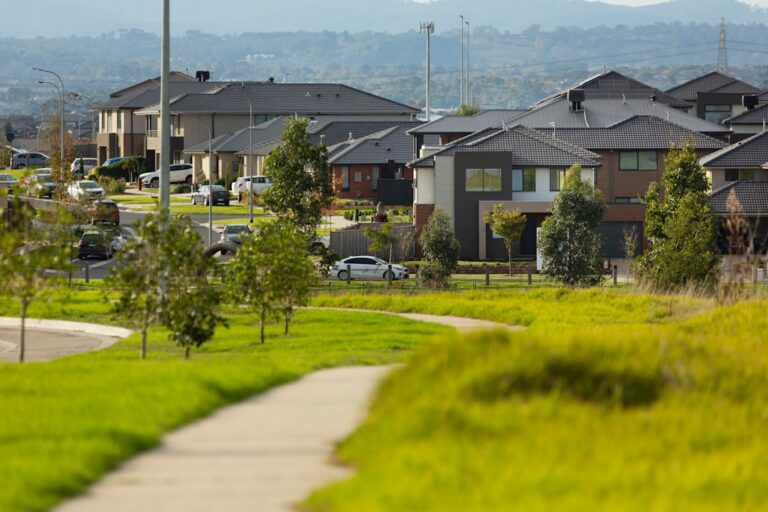
Maximizing Returns: Investing in Australian Property
Investing in Australian property presents a compelling, albeit complex, landscape for those seeking to grow their wealth. As you navigate this market, understanding the present dynamics and future projections is paramount to planting the seeds for substantial returns. The Australian property market, much like a well-tended garden, requires careful cultivation, strategic selection, and a keen eye for growth.
The Australian residential property market is currently undergoing a period of recalibration, shaped by a confluence of economic factors and evolving demographic trends. You might observe that the national housing market, while showing signs of an upward trajectory, is not a monolithic entity; different regions are exhibiting distinct growth patterns. This heterogeneity means that a blanket approach to investing will likely yield uneven results. Instead, a granular understanding of local conditions is your compass for navigating this terrain.
National Price Growth Expectations
The consensus among property professionals points towards a future of rising dwelling values. A significant majority, 87%, anticipate an increase in property prices in 2026. This outlook is underpinned by projections from entities like KPMG, which forecasts growth potentially reaching 7.7% for houses and 7.1% for units within the same year. These forecasts are not born from thin air; they are largely driven by a persistent undersupply of housing stock across various segments of the market, coupled with the anticipated stabilisation of interest rates. For you, the investor, this suggests a favourable backdrop for capital appreciation. However, it is crucial to remember that national figures are averages, and the real story often lies within the sub-markets.
Key Drivers of Growth
The expected price growth is not a random occurrence but is fuelled by tangible economic forces.
Supply Shortages
A primary catalyst for anticipated price increases is the ongoing shortage of available housing. For years, the rate of new home construction has not kept pace with population growth, creating an imbalance where demand consistently outstrips supply. This fundamental economic principle naturally exerts upward pressure on prices, as buyers compete for the limited properties on offer. You, as an investor, can view this scarcity as a potential tailwind for your portfolio, provided you select properties in areas where this shortage is most acute.
Stabilising Interest Rates
The trajectory of interest rates plays a pivotal role in property market dynamics. While rates have experienced fluctuations, an anticipation of stabilisation provides a degree of certainty for the market. Lower borrowing costs make property more accessible to a wider pool of buyers and investors, thereby stimulating demand. As rates settle, the financial burden of homeownership or investment becomes more predictable, encouraging decision-making. This offers you a clearer picture of your potential borrowing capacity and the ongoing cost of holding an investment, allowing for more confident financial planning.
Identifying Top-Performing Markets
When considering where to invest, a discerning eye for markets with robust growth potential is essential. The Australian property market, rather than a uniformly fertile field, is more akin to a landscape with distinct microclimates, some more conducive to rapid growth than others. Identifying these prime locations can significantly amplify your returns.
Queensland Leading the Charge
Queensland, and specifically Brisbane, is emerging as a frontrunner in property market performance. Forecasts suggest significant growth for Brisbane, with some projections indicating increases of up to 10.9% and even reaching 20% in certain segments. This robust performance is attributed to several factors, including a strong population influx and a persistent undersupply of housing. For you, this presents an opportunity to potentially capitalise on strong capital growth in these dynamic urban centres.
Western Australia and South Australia’s Strengths
Beyond Queensland, Western Australia, particularly Perth, and South Australia, with Adelaide at its core, are also poised for substantial growth. These markets are projected to experience growth exceeding 6%, driven by similar forces of population increase and limited housing availability. The influx of people into these states injects vitality into their economies and creates a sustainable demand for housing. You might find that these markets offer a compelling blend of growth potential and, potentially, greater affordability compared to the more established eastern seaboard capitals.
Sydney and Melbourne: A Softer Outlook
In contrast to the booming eastern states, Sydney and Melbourne appear to be facing a period of softening growth. While not necessarily indicative of decline, these established markets may offer more moderate appreciation in the short to medium term. This disparity highlights the importance of looking beyond national headlines and focusing on the specific economic and demographic drivers within each city. You should recognise that while these cities remain significant investment hubs, their growth trajectory may be less spectacular than in other Australian capitals.
Exploring Regional and Value Opportunities

The allure of major capital cities is undeniable, but a closer inspection of Australia’s regional areas and specific value propositions can reveal hidden gems for investors. Regional markets, often overlooked in favour of their metropolitan counterparts, are increasingly demonstrating their potential for both strong rental yields and capital growth.
The Appeal of Regional Lifestyle Migration
A significant trend influencing regional property markets is lifestyle migration. As working patterns evolve and remote work becomes more prevalent, people are increasingly seeking a change of pace, opting for regional areas that offer a more desirable lifestyle, often coupled with a lower cost of living. This migration contributes to rising rental demand and provides a fertile ground for property value appreciation. For you, investing in regional areas can offer the dual benefit of attractive rental returns and capital growth, often with a lower entry point than in major cities.
Darwin as a Potential High-Growth Market
While not strictly a regional market in the same vein as the lifestyle hubs, Darwin is also presenting itself as a market with significant upside potential. Some projections suggest that Darwin could experience growth rates reaching as high as 20%. This elevated forecast is likely linked to specific economic developments and a limited housing supply. You might consider Darwin as a higher-risk, higher-reward proposition, requiring thorough due diligence but offering the prospect of substantial returns.
The Rise of Dual-Occupancy and Energy Efficiency

Beyond the broad market trends, specific property types and features are gaining prominence due to their ability to deliver enhanced returns. You’ll find that adapting to these evolving demands can be a shrewd strategy for maximising your investment’s performance.
The Demand for Multi-Generational Living
The concept of dual-occupancy, encompassing properties suitable for multiple generations or separate living arrangements, is experiencing a significant surge in demand. This includes dwellings like those with granny flats or duplexes. These properties offer distinct advantages for you as an investor. They can command higher rental incomes due to their increased utility and flexibility, catering to a broader range of tenants. Furthermore, they provide a buffer against market fluctuations by offering multiple income streams from a single title. For you, this represents an opportunity to leverage a growing societal trend to boost your rental returns and overall portfolio resilience.
The Premium for Energy-Efficient Homes
In an era of increasing environmental awareness and rising energy costs, energy-efficient properties are becoming increasingly desirable. Homes equipped with features such as solar panels, battery storage systems, and electric vehicle (EV) charging capabilities are not only more appealing to tenants but also offer tangible financial benefits. Tenants are often willing to pay a premium for reduced utility bills, and these features can translate into higher rental yields for you, the property owner. Moreover, as governments push for greater sustainability, these properties may also be more resilient to future regulatory changes. You should consider that investing in energy-efficient upgrades can be a sound long-term strategy, improving tenant appeal and potentially leading to more consistent occupancy.
Shifting Investor Trends and Strategies
| Metric | Value | Notes |
|---|---|---|
| Average Property Price (Sydney) | 1,200,000 | As of 2024 Q1 |
| Average Rental Yield (National) | 3.5% | Gross yield across major cities |
| Capital Growth Rate (Annual) | 5.2% | Average over the past 5 years |
| Vacancy Rate (National) | 1.8% | Lower rates indicate strong rental demand |
| Stamp Duty (Varies by State) | 3% – 5% | One-time tax on property purchase |
| Negative Gearing Benefits | Available | Allows investors to offset losses against income |
| Median Weekly Rent (Melbourne) | 550 | As of 2024 Q1 |
| Interest Rates (Variable) | 5.5% | Average mortgage interest rate |
The Australian property market is not only shaped by economic forces but also by the evolving strategies and preferences of investors like yourself. Understanding these shifts is crucial for staying ahead of the curve and adapting your investment approach.
The Growth of “Rentvesting”
A notable trend is the rise of “rentvesting,” where individuals rent their primary residence while investing in property elsewhere. This strategy is gaining traction, with approximately 10% of renters now also owning investment properties. Rentvesting allows individuals to enter the property market as investors without the immediate commitment of occupying their investment property, potentially benefiting from rental income and capital growth while maintaining the flexibility of their own living arrangements. For you, this highlights a segment of the market that is actively seeking investment opportunities, potentially increasing demand for suitable rental properties.
Focus on Affordability and Local Data
As the market becomes more sophisticated, there is a discernible shift towards focusing on affordability and utilising granular local data over broad national averages. Investors are increasingly recognising that the performance of property can vary dramatically from one suburb to another, let alone from state to state. This means that thorough research into local employment, infrastructure development, and demographic trends is becoming more critical. You should prioritise understanding the specific drivers of the local market you are considering, rather than relying on generalised market commentary. This detailed approach is akin to an experienced gardener understanding the specific needs of each plant in their garden, rather than treating them all the same.
Low Listings Fueling Competition
A recurring theme in the current market is the low volume of properties being listed for sale. This scarcity of supply, when juxtaposed with consistent or growing demand, naturally creates a more competitive environment for buyers and investors. When desirable properties come onto the market, they can attract multiple offers, driving up prices. For you, this means that a proactive and decisive approach is often required once you identify a suitable investment. Missing out on opportunities due to hesitation can be a common pitfall.
Navigating the Challenges and Maximising Returns
While the outlook for Australian property investment is generally positive, it is imperative to acknowledge and plan for the challenges that lie ahead. No investment journey is entirely smooth, and understanding these potential headwinds allows you to fortify your strategy and maximise your chances of success.
Uneven Growth and Rate Sensitivity
The very nature of property markets means that growth will inherently be uneven across different regions and property types. While some areas are experiencing rapid expansion, others may see more modest gains or even stagnation. Furthermore, property markets remain sensitive to interest rate movements. Any unexpected shifts in monetary policy could influence borrowing costs and, consequently, buyer activity and property values. You must remain vigilant, monitoring economic indicators and central bank pronouncements that could impact your investment. Diversification across different locations and property types can be a prudent strategy to mitigate the risks associated with uneven growth.
The Burden of Stamp Duty
A significant hurdle for many investors, particularly those operating within tighter budgets, is the burden of stamp duty. This government tax, levied on property transactions, can represent a substantial upfront cost, eroding initial capital and influencing purchasing decisions. The impact of stamp duty can be particularly pronounced in more expensive markets or for investors undertaking multiple transactions. You should factor stamp duty costs meticulously into your investment calculations and explore strategies to minimise their impact where possible, such as by considering properties in states with lower stamp duty rates or by structuring transactions carefully.
Strategic Selection as the Key
Ultimately, the key to maximising returns in the Australian property market lies in strategic selection. This involves more than just identifying a property in an area with predicted growth. It encompasses a deep understanding of market fundamentals, favourable economic conditions, and the long-term investment potential of specific assets. Your ability to conduct thorough due diligence, assess risk, and align your investments with your financial goals will be the bedrock of your success. By meticulously analysing local drivers, understanding evolving tenant demands, and navigating the inherent challenges, you can position yourself to cultivate a thriving property portfolio.
FAQs
What are the key benefits of investing in Australian real estate?
Investing in Australian real estate offers benefits such as potential capital growth, rental income, portfolio diversification, and access to a stable and transparent property market. Additionally, Australia’s strong economy and population growth contribute to long-term demand for housing.
Which cities in Australia are considered the best for real estate investment?
Major cities like Sydney, Melbourne, Brisbane, and Perth are popular for real estate investment due to their large populations, economic opportunities, and infrastructure development. Emerging regional areas may also offer attractive investment prospects depending on market conditions.
What are the legal requirements for foreign investors in Australian real estate?
Foreign investors must obtain approval from the Foreign Investment Review Board (FIRB) before purchasing residential property. There are restrictions on buying established dwellings, with a preference for new developments or vacant land to encourage housing supply growth.
How does the Australian property market typically perform over time?
The Australian property market has historically shown steady growth over the long term, though it can experience cyclical fluctuations influenced by economic factors, interest rates, and government policies. Location and property type significantly affect performance.
What costs should investors consider when purchasing property in Australia?
Investors should account for costs such as stamp duty, legal fees, loan establishment fees, property management fees, maintenance expenses, and ongoing taxes like land tax and capital gains tax upon sale. These costs vary by state and property type.