Creating a cohesive design theme throughout your property
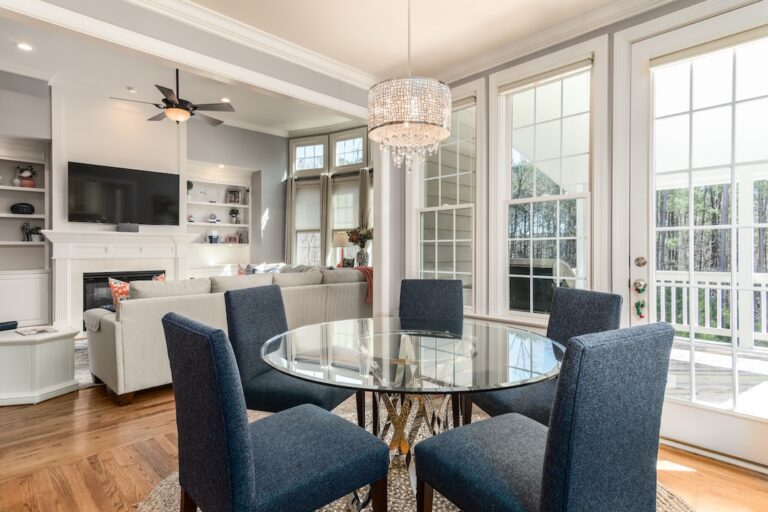
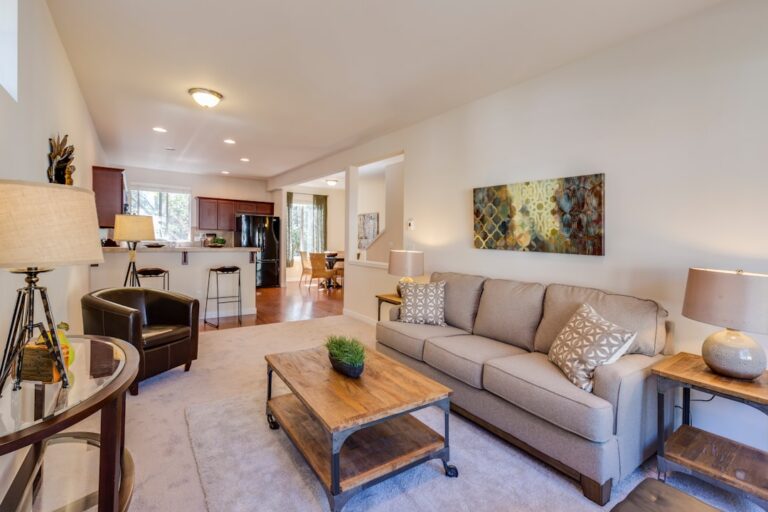
Cohesive design is essential in creating a harmonious and visually appealing space. It involves the careful selection and coordination of various design elements to ensure they work together seamlessly. When a space lacks cohesive design, it can feel disjointed and chaotic, making it difficult for the eye to focus and creating a sense of unease for those who inhabit the space.
Conversely, cohesive design creates a sense of unity and balance, making the space feel inviting and comfortable. It also helps to create a strong visual identity for the space, making it memorable and impactful. Cohesive design is important in both residential and commercial spaces.
In a home, cohesive design can create a sense of tranquillity and comfort, making it a welcoming and relaxing place to be. In a commercial space, cohesive design can help to create a strong brand identity and make a lasting impression on customers and clients. Whether it is a home, office, restaurant, or retail store, cohesive design is essential for creating a space that is visually appealing and functional.
It helps to tie the various elements of the space together, creating a sense of harmony and balance that is pleasing to the eye.
Summary
- Cohesive design creates a harmonious and visually appealing space
- A unified colour palette ties the design elements together and creates a sense of cohesion
- Consistent materials and textures help to create a cohesive and polished look
- A flowing layout allows for easy movement and a sense of continuity in the space
- Complementary furniture and accessories enhance the overall design and create a cohesive look
- Maintaining a consistent style throughout the space helps to create a cohesive and unified design
- Bringing the theme outdoors extends the cohesive design to the outdoor space, creating a seamless transition from indoor to outdoor living
Establishing a Unified Colour Palette
Creating Harmony and Balance
One of the key elements of cohesive design is the use of a unified colour palette. A unified colour palette helps to tie the various elements of a space together, creating a sense of harmony and balance. When selecting a colour palette, it’s important to consider the overall mood and atmosphere you want to create in the space.
Selecting the Right Colours
Warm, earthy tones can create a cosy and inviting atmosphere, while cool, neutral tones can create a more modern and sophisticated feel. Once you have established a colour palette, it’s important to use it consistently throughout the space. This means using the same colours on walls, furniture, accessories, and other decorative elements to create a cohesive and unified look.
Adding Depth and Interest
Incorporating a unified colour palette doesn’t mean that every element in the space has to be the same colour. Instead, it means using a range of shades and tones within the same colour family to create depth and interest. For example, if you’ve chosen a blue colour palette for your space, you might use various shades of blue, from pale sky blue to deep navy, to create visual interest while still maintaining a cohesive look.
Creating a Sense of Flow
By using a unified colour palette, you can create a sense of flow and continuity throughout the space, making it feel cohesive and well put together.
Incorporating Consistent Materials and Textures

In addition to a unified colour palette, incorporating consistent materials and textures is essential for creating cohesive design. Using a variety of materials and textures can add visual interest and depth to a space, but it’s important to use them in a way that feels cohesive and harmonious. When selecting materials and textures for a space, it’s important to consider how they work together and how they contribute to the overall look and feel of the space.
For example, if you’re going for a modern and sleek look, you might choose materials like glass, metal, and polished wood to create a clean and sophisticated feel. On the other hand, if you’re going for a more rustic and cosy look, you might opt for materials like natural wood, stone, and textured fabrics to create a warm and inviting atmosphere. Consistency in materials and textures doesn’t mean that everything in the space has to be made from the same material or have the same texture.
Instead, it means using materials and textures that complement each other and work together to create a cohesive look. For example, you might use different materials like wood, metal, and glass in a way that feels balanced and harmonious. Similarly, you might use different textures like smooth, rough, and textured in a way that adds depth and interest to the space without feeling disjointed.
By incorporating consistent materials and textures, you can create a sense of unity and balance in the space, making it feel cohesive and well designed.
Creating a Flowing Layout
Another important aspect of cohesive design is creating a flowing layout that allows for easy movement and visual continuity throughout the space. A well-designed layout takes into account the function of the space as well as the visual impact of the various elements within it. When creating a flowing layout, it’s important to consider how people will move through the space and how they will interact with the various elements within it.
This means considering factors like traffic flow, furniture placement, and focal points to create a layout that feels natural and intuitive. A flowing layout also takes into account the visual continuity of the space, ensuring that there is a sense of harmony and balance from one area to the next. This might involve creating visual pathways that lead the eye through the space or using repeating elements like colours, shapes, or patterns to create a sense of unity.
By creating a flowing layout, you can ensure that the space feels cohesive and well put together, making it comfortable and inviting for those who inhabit it.
Using Complementary Furniture and Accessories
Selecting furniture and accessories that complement each other is essential for creating cohesive design. When choosing furniture for a space, it’s important to consider how each piece works with the others to create a harmonious look. This might involve selecting pieces that share similar styles or shapes or using pieces that have complementary colours or materials.
By choosing furniture that works well together, you can create a sense of unity and balance in the space. In addition to furniture, accessories play an important role in creating cohesive design. Accessories like rugs, cushions, artwork, and lighting can add personality and character to a space, but it’s important to use them in a way that feels cohesive and harmonious.
This might involve selecting accessories that share similar colours or textures or using them in a way that creates visual balance throughout the space. By using complementary furniture and accessories, you can create a cohesive look that feels well thought out and visually appealing.
Maintaining a Consistent Style
Understanding Consistency in Style
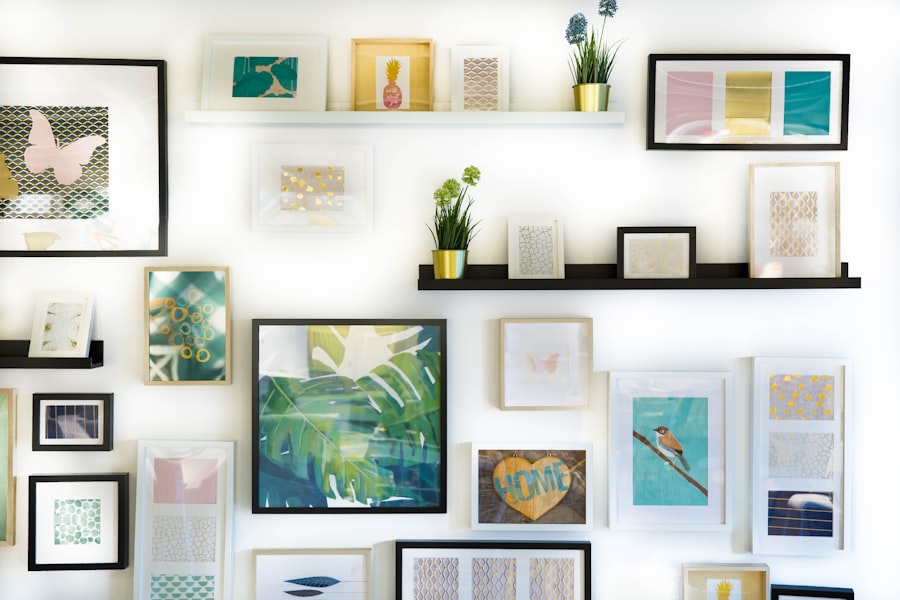
Consistency in style doesn’t mean that everything in the space has to be identical or match perfectly. Instead, it means using elements that share similar characteristics or work well together within the chosen style. For example, if you’re going for a modern look, you might use furniture with clean lines, sleek materials, and minimalistic accessories to create a cohesive and contemporary feel.
Creating a Cohesive Look
On the other hand, if you’re going for a traditional look, you might use furniture with ornate details, rich materials, and classic accessories to create a timeless and elegant atmosphere. By maintaining a consistent style throughout the space, you can create a cohesive look that feels well curated and visually appealing.
The Benefits of Consistency
By sticking to a consistent style, you can create a sense of harmony and balance in the space, making it feel more inviting and relaxing. Additionally, a consistent style can also make the space feel more spacious and airy, as the eye is able to move easily throughout the room without being distracted by clashing elements.
Bringing the Theme Outdoors
When creating cohesive design in an indoor space, it’s important to consider how it connects with outdoor areas to create a seamless transition between them. Bringing the theme outdoors involves extending the design elements from inside to outside spaces to create a sense of continuity and harmony. This might involve using similar colours, materials, textures, or styles in outdoor areas as those used indoors to create a cohesive look.
In addition to using similar design elements, bringing the theme outdoors also involves considering how outdoor areas are used and how they connect with indoor spaces. This might involve creating outdoor seating areas that complement indoor living spaces or using landscaping features that tie outdoor areas with indoor decor. By bringing the theme outdoors, you can create a sense of unity between indoor and outdoor spaces, making them feel connected and well integrated.
In conclusion, cohesive design is essential for creating visually appealing and functional spaces. By understanding the importance of cohesive design and incorporating elements like unified colour palettes, consistent materials and textures, flowing layouts, complementary furniture and accessories, consistent styles, and bringing the theme outdoors, you can create spaces that feel harmonious and well put together. Whether it’s a home or commercial space, cohesive design helps to create an inviting atmosphere that is memorable and impactful for those who inhabit it.
FAQs
What is a cohesive design theme?
A cohesive design theme refers to the consistent and harmonious style, colour scheme, and overall aesthetic that is carried throughout a property, creating a unified and balanced look.
Why is it important to have a cohesive design theme throughout your property?
Having a cohesive design theme throughout your property helps create a sense of unity and flow, making the space feel more visually appealing and well put together. It also helps to create a sense of continuity and balance, enhancing the overall atmosphere of the property.
How can I create a cohesive design theme throughout my property?
To create a cohesive design theme, you can start by choosing a specific style or theme that you want to carry throughout the property. This could be a particular colour scheme, a specific design style (e.g. modern, traditional, minimalist), or a theme inspired by a particular culture or era. Once you have chosen your theme, you can then apply it consistently across different areas of the property, including the interior and exterior spaces.
What are some tips for creating a cohesive design theme?
Some tips for creating a cohesive design theme include:
– Choosing a consistent colour palette and using it throughout the property
– Selecting furniture and decor items that complement the chosen theme
– Paying attention to details such as lighting, textiles, and accessories to ensure they align with the overall theme
– Creating a sense of flow by using similar design elements and materials across different areas of the property
What are the benefits of having a cohesive design theme?
Having a cohesive design theme throughout your property can help create a sense of harmony and balance, making the space feel more inviting and visually appealing. It can also make the property feel more organised and well thought out, enhancing the overall experience for residents and visitors.