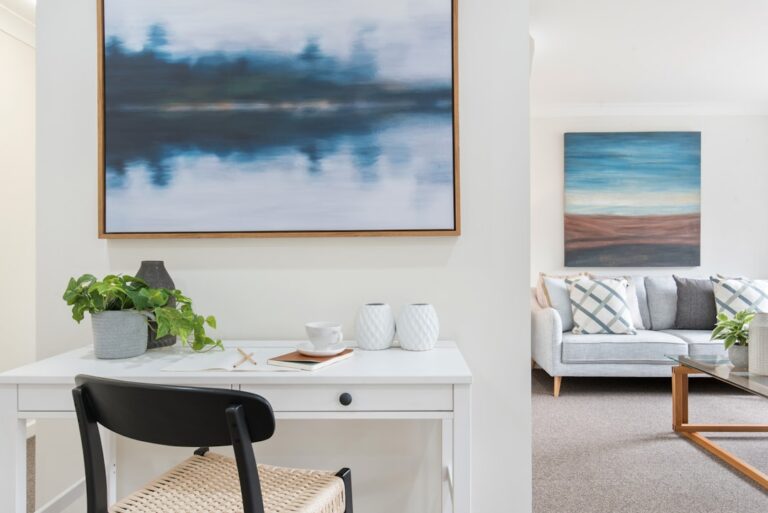
Top Tips for Selling Your Home in the UK
So, you’ve made the decision. The house you’ve poured your heart and soul into is finally ready to be handed over to a new owner. Selling your home is a significant undertaking, filled with excitement about the next chapter but also a fair dose of stress. This guide is crafted to steer you through the process, offering practical advice and insightful tips to ensure you achieve the best possible outcome, and most importantly, a smooth and successful sale here in the UK. From understanding the market to shining a spotlight on your property, we’ll cover it all.
Preparing Your Property for the Market: Making That All-Important First Impression
Before a single potential buyer even sets foot through your door, the groundwork for a successful sale is laid in how you present your home. This isn’t just about a lick of paint; it’s about strategically showcasing your property’s best features and minimising any perceived drawbacks. Think of it as a crucial stage where you become your own best marketer.
Decluttering: The Power of Less is More
You might think your extensive collection of antique teacups is charming, but for a potential buyer, it could feel overwhelming and detract from the actual space. Now is the time to embrace extreme decluttering.
Clearing the Clutter: A Room-by-Room Approach
Start with a systematic approach. Go through each room and ruthlessly eliminate anything you haven’t used in months, if not years. This includes old paperwork, excess furniture, and those “just in case” items. The goal is to create a sense of spaciousness and allow buyers to envision their own belongings in the rooms.
Storage Solutions: Stashing it Away Smartly
If you’re struggling with what to do with your decluttered items, invest in temporary storage. Boxes neatly stacked in a garage, loft, or a hired unit can make a world of difference. Avoid piling items in corners or creating messy piles that will be instantly noticed.
Personal Touches: Toning it Down
While your family photos hold sentimental value, they can make it hard for buyers to picture themselves living in the space. Pack away personal items, leaving only a few carefully chosen decorative pieces. This creates a neutral canvas that appeals to a broader audience.
Deep Cleaning: Sparkling Surfaces and Fresh Scents
A scrupulously clean home speaks volumes about how well it’s been cared for. Buyers are looking for a property that feels fresh and well-maintained, and a deep clean is non-negotiable.
The Kitchen: The Heart of the Home, Spotless
Your kitchen is often a focal point. Ensure all surfaces, appliances, and cabinets are immaculately clean. Pay attention to grout lines, the inside of the oven and microwave, and the sink. A shiny hob and a sparkling extractor fan will make a huge difference.
Bathrooms: Hygiene is Key
No one wants to see mildew in the shower or limescale on the taps. Scrub the tiles, grout, and sanitaryware until they gleam. Ensure all chrome fixtures are polished, and your towels are fresh and neatly presented.
Windows and Mirrors: Let the Light In
Dirty windows can cast a gloomy pall over your home. Clean them inside and out to maximise natural light. Don’t forget mirrors – smudges and streaks can make rooms feel smaller and less appealing.
Minor Repairs: Fixing the Small Stuff Adds Up
Don’t underestimate the impact of small, often overlooked, DIY jobs. A dripping tap, a loose door handle, or a cracked tile can send a negative signal to buyers, suggesting a lack of care or potential future problems.
Addressing Wear and Tear
Walk around your home with a critical eye. Are there scuff marks on the walls? Loose skirting boards? Wobbly banisters? Tackling these minor issues proactively demonstrates diligence and can prevent buyers from mentally calculating repair costs.
Fresh Coat of Paint: A Budget-Friendly Transformation
A fresh coat of neutral paint is one of the most effective and cost-efficient ways to refresh a property. It can brighten up tired rooms, cover up imperfections, and create a more contemporary feel. Choose calming, universally appealing colours like soft greys, creams, or off-whites.
The Art of Staging: Making Your Home Irresistible to Buyers

Beyond cleanliness and repairs, home staging is about creating an aspirational lifestyle. It’s about showcasing the potential of each space and evoking an emotional connection with potential buyers. This is where you help them imagine themselves living happily in your home.
Furniture Arrangement: Maximising Space and Flow
The way you arrange your furniture can dramatically alter the perception of space and make rooms feel more inviting.
Creating Welcoming Zones
In larger rooms, consider creating distinct zones for different activities, like a seating area for relaxation and a separate space for dining. This helps buyers visualise how they could use the room.
Letting the Light Shine
Ensure furniture isn’t blocking windows or natural light. Pull curtains and blinds fully open to allow as much light as possible to flood in.
Emphasising Key Features
Position furniture to highlight architectural features or points of interest within a room, such as a fireplace or a beautiful view.
Adding Finishing Touches: The Devil is in the Detail
It’s the small, thoughtful details that can elevate your home from merely presentable to truly captivating.
Accessorising with Taste
Introduce carefully selected accessories to add warmth and personality. Think decorative cushions, throws, artwork, and houseplants. However, aim for sophistication, not clutter.
The Power of Scent
A neutral, pleasant scent can create a welcoming atmosphere. Avoid strong, artificial air fresheners. Consider baking some bread or brewing a pot of coffee shortly before viewings, or using subtle diffusers with natural essential oils like lavender or citrus.
Creating a “Lifestyle” Vibe
In the kitchen, lay out a stylish fruit bowl. In the bathroom, arrange fresh towels neatly. In the living room, have a visually appealing stack of books and magazines. These subtle touches suggest a harmonious and enjoyable way of life.
Getting the Price Right: A Crucial Element for a Swift Sale

Pricing your home correctly is arguably the most critical step in achieving a swift and successful sale. Overpricing can lead to your property languishing on the market, while underpricing can mean leaving money on the table.
Understanding the Local Market
The UK property market is dynamic and heavily influenced by local factors. A thorough understanding of your specific area is paramount.
Researching Comparable Properties
Look at recently sold properties in your neighbourhood that are similar in size, type, and condition to yours. Estate agents will have access to this data, but you can also do your own research on property portals. Consider how they were presented at the time of sale.
Factors Influencing Value
Consider local demand, the proximity of good schools, transport links, amenities, and any upcoming developments. These all play a role in how buyers perceive value.
Valuing Your Property: Professional vs. DIY
You have a couple of options when it comes to getting an accurate valuation.
Instructing Estate Agents for Valuations
It’s standard practice to get valuations from at least three local estate agents. They will have a good understanding of the current market and can provide a professional opinion. Be wary of agents who give significantly higher valuations simply to win your business – this can be a false economy.
Independent Expert Advice
For a more impartial view, consider hiring an independent surveyor or valuer. This can be particularly useful if your property has unique features or if you’re in a complex market.
Setting the Initial Asking Price
Once you have a range of valuations, you can make an informed decision about your asking price.
Strategic Pricing for Exposure
Sometimes, pricing slightly below the perceived market value can generate more interest and potentially lead to a bidding war, resulting in a higher final sale price. Conversely, overpricing can deter potential buyers from even viewing your property.
Being Realistic and Flexible
It’s important to be realistic about your property’s worth. While you may have emotional attachments, the market dictates the value. Be prepared to negotiate, as most sales involve some element of give and take.
Marketing Your Home Effectively: Reaching the Right Buyers
| Step | Description |
|---|---|
| 1 | Prepare the property for sale by decluttering and cleaning |
| 2 | Set the right price by researching the local market and getting a valuation |
| 3 | Market the property through online listings, estate agents, and signage |
| 4 | Host viewings and open houses to showcase the property |
| 5 | Negotiate offers and finalise the sale with the help of a solicitor or conveyancer |
Once your property is perfectly prepared and priced, the next step is to ensure it’s seen by as many suitable buyers as possible. Effective marketing is key to generating interest and securing viewings.
High-Quality Photography and Videography: Your Digital Shop Window
In today’s digital age, potential buyers often form their first impression online. Professional, high-resolution photographs and a well-produced video tour are essential.
The Importance of Professional Shots
A good photographer will understand how to capture your property in its best light, using natural light and wide-angle lenses to showcase space. Don’t be tempted to cut corners here – blurry, poorly lit photos can be a major deterrent.
Video Tours: A Virtual Walkthrough
A video tour allows buyers to get a real sense of the flow and layout of your home without even physically visiting. It’s a great way to capture the atmosphere and highlights of your property.
Virtual Tours and 360° Photography
For an even more immersive experience, consider offering virtual tours or 360° photography. These allow potential buyers to explore your home at their own pace and from anywhere in the world.
Crafting an Appealing Property Description: Storytelling for the Sale
The written description is your chance to tell the story of your home and highlight its unique selling points.
Focusing on Benefits, Not Just Features
Instead of just stating “three bedrooms,” describe the benefits. For example, “three well-proportioned bedrooms offering ample space for a growing family or flexible use as home offices.”
Evoking Emotion and Lifestyle
Use evocative language to paint a picture. Does your garden offer a tranquil oasis? Is your kitchen perfect for entertaining? Highlight the lifestyle your property can offer.
Key Selling Points: What Makes You Stand Out?
Emphasise what makes your home unique. Is it the stunning period features, the sought-after location, the energy efficiency, or the beautifully landscaped garden? Make these prominent.
Choosing Your Selling Agent: Finding the Right Partner
Your estate agent will be your primary point of contact and a crucial partner in the selling process.
Researching Local Agents
Look for agents with a strong track record in your area, excellent online reviews, and a good understanding of your property type.
Interviewing Multiple Agents
Don’t just go with the first agent you meet. Interview at least three, comparing their proposed marketing strategies, their understanding of your property’s value, and their communication style.
Understanding Their Fees and Contracts
Ensure you understand their commission rates, sole agency versus multi-agency agreements, and the length of the contract.
Navigating Viewings and Offers: The Heart of the Transaction
Once your property is on the market, the real work of securing a buyer begins. This involves managing viewings effectively and handling offers professionally.
Preparing for Viewings: Every Impression Counts
Each viewing is an opportunity to impress a potential buyer. A little preparation can go a long way.
Pre-Viewing Checklist
Before every viewing, ensure the house is clean, tidy, and well-aired. Open curtains, turn on lights, and set the thermostat to a comfortable temperature. Remove any clutter that might have accumulated since the last clean.
The Importance of a Tidy Exterior
Don’t forget the kerb appeal! Mow the lawn, trim hedges, clear any weeds, and ensure pathways are clear and inviting. A well-maintained exterior sets a positive tone before buyers even step inside.
Being Presentable, But Not Intrusive
As the seller, you can be present during viewings. However, try to be unobtrusive. Let the agent do the talking, but be available to answer any specific questions that arise. If you have children or pets, try to arrange for them to be out of the house during viewings to allow buyers to explore freely.
Handling Offers: Your Strategy for Success
When an offer comes in, it’s essential to approach it systematically and strategically.
Responding Promptly and Professionally
Acknowledge offers as quickly as possible. Even if it’s not the offer you were hoping for, a prompt and professional response shows you are a serious seller.
Understanding the Buyer’s Position
Try to ascertain the buyer’s financial situation and their reasons for making the offer. Are they a first-time buyer, are they part of a chain, or are they a cash buyer? This information can be invaluable when negotiating.
Negotiation Tactics: Finding Common Ground
Be prepared to negotiate. If the offer is below your asking price, consider whether it’s a reasonable counter-offer. If it’s an acceptable offer, you’ll then move towards agreeing on terms.
The Role of the Estate Agent in Negotiation
Your estate agent will manage the negotiation process on your behalf, communicating between you and the buyer to reach an agreement. Trust their expertise in navigating these conversations.
The Legal and Financialities: From Offer to Completion
Once you have an accepted offer, the journey isn’t over. There are significant legal and financial steps to complete before ownership officially changes hands.
Instructing a Solicitor or Conveyancer: Your Legal Guides
This is a crucial step where you’ll require professional legal assistance.
Choosing the Right Professional
Research and select a solicitor or conveyancer with experience in property transactions in the UK. They will handle all the legal aspects of the sale.
The Role of the Conveyancer
Your conveyancer will draw up the contract of sale, deal with searches, transfer funds, and ensure all legal requirements are met. They are your advocate in the legal process.
The Exchange of Contracts: A Binding Agreement
This is the point where the sale becomes legally binding.
The Process of Exchange
Once all searches are satisfactory, a mortgage offer is in place, and you and the buyer are happy with the contract, your solicitors will arrange for the formal exchange of contracts. At this point, a deposit (usually around 10%) is paid by the buyer, and completion dates are set.
What to Expect on Exchange Day
This is a significant milestone. You and the buyer are now legally committed to the sale and purchase.
Completion: The Final Handover
Completion is the day the sale is finalised and ownership changes hands.
The Day of Completion
On completion day, the remainder of the purchase price is transferred from the buyer’s solicitor to your solicitor. Once funds are cleared, you will hand over the keys to your property.
Moving Out and Settling In
Ensure you have arranged your move well in advance. Changing your address with all relevant parties, such as utility companies, your bank, and the DVLA, is essential.
Selling your home in the UK is a multifaceted process that requires careful planning, strategic execution, and a good understanding of the market. By following these top tips and working closely with trusted professionals, you can navigate the journey with confidence, minimise stress, and ultimately achieve a successful sale that sets you on the right path for your next adventure. Good luck!
FAQs
1. What are the steps involved in selling a home?
The steps involved in selling a home typically include preparing the property for sale, setting the right price, marketing the property, negotiating with potential buyers, and completing the legal and financial aspects of the sale.
2. What are the common mistakes to avoid when selling a home?
Common mistakes to avoid when selling a home include overpricing the property, neglecting necessary repairs or improvements, not staging the home properly, and not hiring a professional real estate agent.
3. How can I increase the value of my home before selling it?
To increase the value of your home before selling it, you can consider making necessary repairs, updating the kitchen and bathrooms, improving curb appeal, and adding energy-efficient features.
4. What are the costs involved in selling a home?
The costs involved in selling a home may include real estate agent commissions, closing costs, home repairs or improvements, staging costs, and potential capital gains tax.
5. How long does it typically take to sell a home?
The time it takes to sell a home can vary depending on factors such as the local housing market, the condition of the property, and the pricing strategy. On average, it can take anywhere from a few weeks to several months to sell a home.