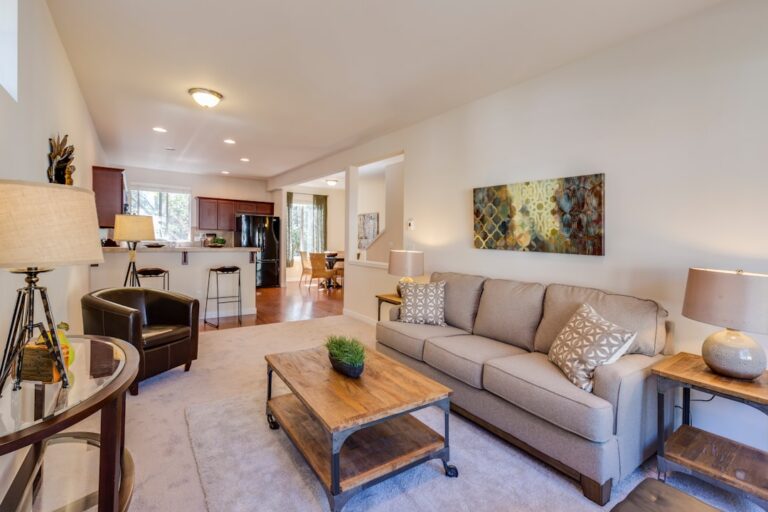
Setting the Right Price: How to Competitively Price Your Home
Understanding the market is crucial when it comes to selling a property. It involves knowing the current demand and supply dynamics, as well as the overall economic conditions that can impact the real estate market. Factors such as interest rates, employment levels, and consumer confidence can all play a role in determining the state of the market. Additionally, it’s important to be aware of any local or regional factors that may affect the market, such as new developments, infrastructure projects, or changes in zoning regulations.
Furthermore, understanding the demographic trends in the area can also provide valuable insights into the market. For example, if there is an influx of young professionals moving into the area, there may be a higher demand for smaller, more affordable properties. On the other hand, if the population is aging, there may be a greater demand for retirement communities or properties with accessibility features. By understanding these market dynamics, sellers can better position their property to appeal to potential buyers and maximise their chances of a successful sale.
Summary
- Understanding the market is crucial for successful property pricing
- Evaluating your property’s features and amenities helps in setting a competitive price
- Researching comparable properties gives a clear idea of the market value
- Considering market trends and conditions is essential for accurate pricing
- Factoring in costs and expenses ensures a realistic pricing strategy
- Setting a competitive price is a balance between market value and property features
- Revisiting and adjusting the price as needed is important for staying competitive in the market
Evaluating Your Property’s Features and Amenities
When selling a property, it’s important to evaluate its features and amenities to determine its market value. This involves taking stock of both the interior and exterior features of the property, as well as any additional amenities that may add value. Interior features such as the number of bedrooms and bathrooms, the size of the kitchen, and the presence of modern appliances can all impact the property’s value. Similarly, exterior features such as the size of the garden, the presence of a garage or off-street parking, and any outdoor living spaces can also influence its market value.
In addition to these basic features, it’s also important to consider any additional amenities that may appeal to potential buyers. This could include things like a swimming pool, a home office, or energy-efficient upgrades. By evaluating these features and amenities, sellers can better understand the unique selling points of their property and use them to their advantage when marketing it to potential buyers. This can help to set the property apart from others on the market and justify its asking price.
Researching Comparable Properties
Researching comparable properties is an essential step in determining the market value of a property. This involves looking at recent sales of similar properties in the same area to see what they sold for. By comparing these properties to the one being sold, sellers can get a better idea of what similar properties are currently fetching on the market. This can provide valuable insights into what buyers are willing to pay for similar properties and help sellers set a realistic asking price.
In addition to looking at recent sales, it’s also important to consider properties that are currently on the market. This can help sellers understand the competition their property is facing and make adjustments to their asking price if necessary. By researching comparable properties, sellers can gain a better understanding of the current market conditions and make informed decisions about pricing their property.
Considering Market Trends and Conditions
| Market Trends and Conditions | Metrics |
|---|---|
| Consumer Spending | £1,200,000,000 |
| Unemployment Rate | 5% |
| Inflation Rate | 2.5% |
| Interest Rates | 3.5% |
Market trends and conditions can have a significant impact on the sale of a property. For example, if there is an oversupply of properties on the market, sellers may need to adjust their asking price to remain competitive. Similarly, if there is high demand for properties in a particular area, sellers may be able to ask for a higher price. By considering these market trends and conditions, sellers can better position their property to appeal to potential buyers and maximise their chances of a successful sale.
Furthermore, it’s important to consider broader economic trends that may impact the real estate market. For example, if interest rates are rising, this may reduce the purchasing power of potential buyers and lead to a slowdown in sales. On the other hand, if there is strong economic growth in the area, this may lead to increased demand for properties and higher prices. By staying informed about these market trends and conditions, sellers can make more informed decisions about pricing their property and maximise their chances of a successful sale.
Factoring in Costs and Expenses
When setting a competitive price for a property, it’s important to factor in all costs and expenses associated with the sale. This includes not only the purchase price of the property but also any additional costs such as legal fees, estate agent commissions, and marketing expenses. By factoring in these costs and expenses, sellers can ensure that they are setting a price that will allow them to cover all their expenses and still make a profit from the sale.
In addition to these direct costs, it’s also important to consider any potential repairs or upgrades that may be needed to make the property more appealing to potential buyers. This could include things like repainting rooms, replacing worn carpets, or updating outdated fixtures. By factoring in these potential costs, sellers can ensure that they are setting a price that reflects the true value of the property and takes into account any necessary improvements.
Setting a Competitive Price

Setting a competitive price for a property is essential for attracting potential buyers and maximising the chances of a successful sale. A competitive price is one that reflects the true value of the property based on its features, amenities, and market conditions. It should be set at a level that is attractive to potential buyers while still allowing the seller to achieve their desired outcome from the sale.
One approach to setting a competitive price is to consider pricing strategies such as pricing slightly below market value to attract multiple offers or pricing slightly above market value to allow for negotiation room. Another approach is to use online valuation tools or seek professional advice from estate agents or valuers to get an accurate assessment of the property’s value. By setting a competitive price, sellers can increase interest in their property and maximise their chances of achieving a successful sale.
Revisiting and Adjusting the Price as Needed
Finally, it’s important for sellers to be open to revisiting and adjusting the price of their property as needed. If there is little interest in the property after it has been on the market for some time, it may be necessary to lower the asking price to attract more potential buyers. Similarly, if there is strong interest but no offers are forthcoming, it may be necessary to adjust the price to better reflect market conditions.
By being open to revisiting and adjusting the price as needed, sellers can increase their chances of achieving a successful sale. This flexibility can help ensure that the property remains competitive in the market and continues to attract potential buyers. Additionally, it demonstrates to potential buyers that the seller is motivated and willing to negotiate, which can help facilitate a successful sale.
In conclusion, selling a property involves careful consideration of various factors including market conditions, property features and amenities, comparable properties, costs and expenses, and pricing strategies. By understanding these factors and taking them into account when setting an asking price, sellers can increase their chances of attracting potential buyers and achieving a successful sale. Additionally, being open to revisiting and adjusting the price as needed can help ensure that the property remains competitive in the market and maximises its chances of being sold at a desirable price.
FAQs
What does it mean to price your house competitively?
Pricing your house competitively means setting a price that is attractive to potential buyers and comparable to similar properties in the market. It involves considering factors such as location, size, condition, and current market trends.
Why is it important to price your house competitively?
Pricing your house competitively is important because it can attract more potential buyers, increase the likelihood of receiving offers, and ultimately lead to a quicker sale. Overpricing can deter buyers, while underpricing can result in financial loss.
How can I determine the competitive price for my house?
You can determine the competitive price for your house by researching the prices of similar properties in your area, consulting with a real estate agent, and considering the current market conditions. It’s important to be realistic and objective when setting the price.
What are the potential consequences of pricing my house too high?
Pricing your house too high can lead to a lack of interest from potential buyers, an extended time on the market, and the need to eventually reduce the price. This can result in a perception of the property as undesirable and may ultimately lead to a lower selling price.
How can I make my house more competitive in the market?
To make your house more competitive in the market, you can consider making improvements or renovations to increase its appeal, staging the property to showcase its best features, and working with a real estate agent to develop a marketing strategy that highlights its strengths.