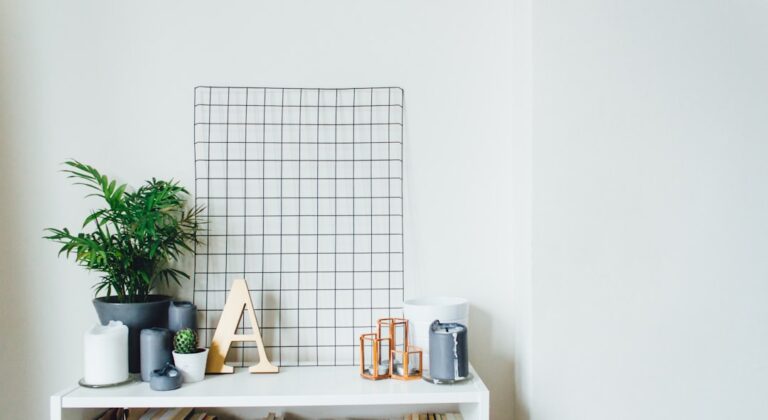
Utilizing textures and patterns to add visual interest
Textures and patterns are fundamental components in the realm of design, imparting depth, intrigue and character to any space or object. Textures denote the surface quality of an item, whilst patterns are repetitive designs or motifs found in various forms. Both textures and patterns play a vital role in interior design, fashion, graphic design and art, enabling designers to craft visually stimulating and dynamic compositions.
In interior design, textures and patterns can transform a space from mundane and uninspiring to vibrant and welcoming. Whether through the use of tactile materials such as wood, stone or fabric, or through the incorporation of bold and eye-catching patterns, textures and patterns can entirely alter the ambiance of a room. In fashion and clothing, textures and patterns are utilised to create visual interest and add dimension to garments.
From luxurious velvet and soft cashmere to intricate floral prints and geometric designs, textures and patterns are key elements in creating stylish and distinctive clothing pieces. In graphic design and art, textures and patterns are employed to add depth and visual appeal to digital and traditional artwork. Whether through the use of digital textures in a website design or through the creation of intricate patterns in a painting, textures and patterns are essential tools for creating compelling visual compositions.
Summary
- Textures and patterns add depth and visual interest to interior design, fashion, and graphic design.
- Understanding the impact of textures and patterns is essential for creating cohesive and visually appealing designs.
- Incorporating textures and patterns in interior design can create a sense of warmth, dimension, and personality in a space.
- Utilizing textures and patterns in fashion and clothing can elevate an outfit and add visual intrigue.
- Using textures and patterns in graphic design and art can create dynamic and eye-catching visuals.
Understanding the Impact of Textures and Patterns
Evoking Emotions through Textures
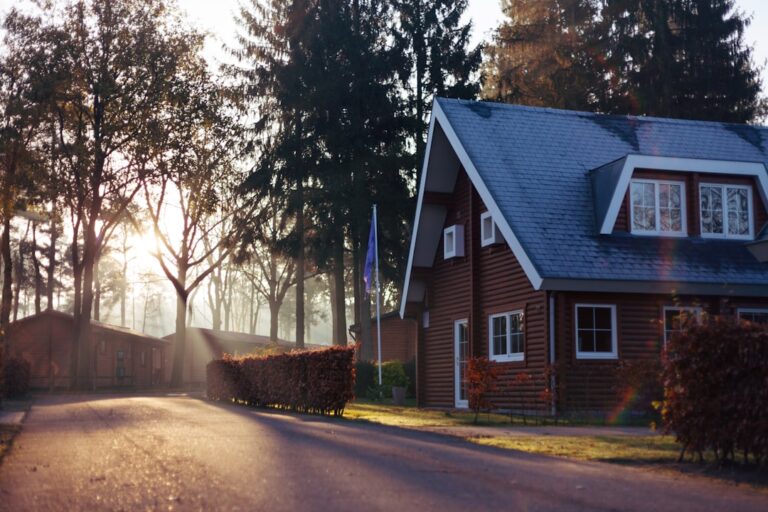
For instance, the use of soft, plush textures like velvet or fur can create a feeling of opulence and luxury in a space, while rougher textures like exposed brick or distressed wood can add a sense of rustic charm.
Conveying Moods and Styles through Patterns
Similarly, patterns have the ability to convey different moods and styles. For example, bold geometric patterns can create a modern and dynamic look, while delicate floral patterns can evoke a sense of romance and femininity.
Transforming Spaces and Elevating Designs
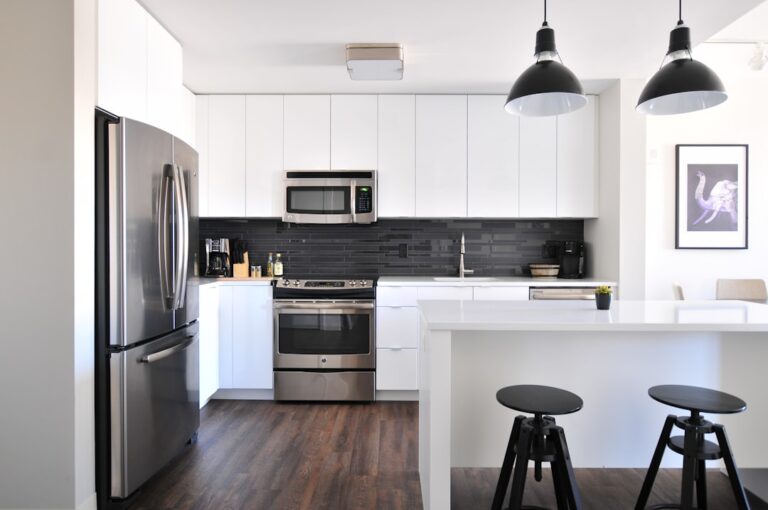
In interior design, the impact of textures and patterns is evident in the way they can completely transform a space. A room with smooth, sleek surfaces and minimal patterns can feel modern and minimalist, while a space with rich textures and intricate patterns can feel more traditional and ornate. In fashion and clothing, the impact of textures and patterns is seen in the way they can elevate a simple garment into a statement piece. In graphic design and art, the impact of textures and patterns is evident in the way they can add depth and visual interest to an otherwise flat composition.
Incorporating Textures and Patterns in Interior Design
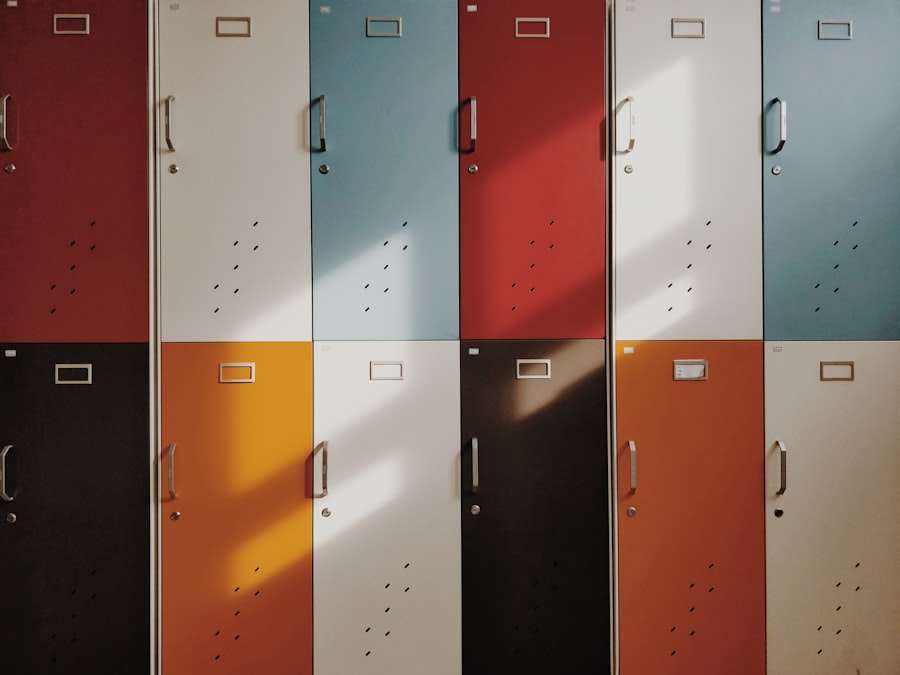
Incorporating textures and patterns into interior design is a great way to add visual interest and personality to a space. When it comes to textures, consider using a mix of tactile materials such as wood, stone, metal, glass, and fabric to create a dynamic and inviting environment. For example, you could incorporate rough-hewn wooden furniture for a rustic touch, or add soft, plush textiles like velvet or faux fur for a luxurious feel.
Additionally, consider using textured wall coverings like wallpaper or textured paint to add depth and dimension to your walls. When it comes to patterns, there are endless possibilities for incorporating them into interior design. From bold geometric prints to delicate floral motifs, patterns can be used to create different moods and styles within a space.
Consider using patterned textiles for upholstery, curtains, or throw pillows to add pops of colour and visual interest. You could also use patterned tiles for a striking backsplash in the kitchen or bathroom, or opt for patterned wallpaper to create a statement wall in a living room or bedroom. By mixing and matching different textures and patterns, you can create a visually stimulating and dynamic space that reflects your personal style.
Utilizing Textures and Patterns in Fashion and Clothing
In the world of fashion and clothing, textures and patterns play a crucial role in creating stylish and unique garments. When it comes to textures, designers often use a variety of tactile materials to add depth and interest to their designs. Luxurious fabrics like silk, velvet, cashmere, and leather are often used to create garments that exude elegance and sophistication.
Additionally, designers may incorporate textured elements like ruffles, pleats, embroidery, or beading to add visual interest and dimension to their designs. Patterns are also widely used in fashion to create visually stimulating garments that stand out from the crowd. From classic stripes and polka dots to bold animal prints and intricate florals, patterns can be used to convey different moods and styles within a collection.
Designers often experiment with mixing different patterns together to create unique and eye-catching looks. Whether it’s through the use of patterned fabrics for dresses, skirts, or blouses, or through the incorporation of patterned accessories like scarves or handbags, textures and patterns are essential tools for creating stylish and memorable fashion pieces.
Using Textures and Patterns in Graphic Design and Art
In graphic design and art, textures and patterns are used to add depth, visual interest, and personality to digital and traditional artwork. When it comes to textures, designers often use digital tools to create realistic textures that mimic the look and feel of real-world materials like wood, metal, fabric, or paper. These digital textures can be used to add depth and dimension to digital illustrations, photographs, websites, or other digital designs.
Patterns are also widely used in graphic design and art to create visually compelling compositions. From simple geometric patterns to intricate floral designs, patterns can be used to add rhythm, movement, and visual interest to a piece of artwork. Designers often experiment with mixing different patterns together to create dynamic and engaging designs.
Whether it’s through the use of patterned backgrounds in website design or through the creation of intricate patterns in traditional artwork like paintings or illustrations, textures and patterns are essential tools for creating visually captivating designs.
Tips for Mixing and Matching Textures and Patterns

Scale Matters
Firstly, consider the scale of the textures and patterns you’re working with. Mixing different scales of textures or patterns can create visual interest without overwhelming the eye. For example, you could pair a large-scale floral pattern with a small-scale geometric pattern for a balanced look.
Colour Coordination
Secondly, consider the colour palette when mixing textures and patterns. Look for common colours within your chosen textures and patterns to create a cohesive look. You could also experiment with contrasting colours for a bold and dynamic effect.
Experimentation is Key
Lastly, don’t be afraid to experiment with mixing different textures and patterns together. Play around with different combinations until you find a mix that feels harmonious and visually appealing. Whether it’s through layering different textiles in interior design or through combining different patterned fabrics in fashion design, mixing textures and patterns is all about finding a balance that feels right for your particular design.
Harnessing the Power of Textures and Patterns
In conclusion, textures and patterns are essential elements in the world of design that have the power to transform spaces, garments, artwork, and more. Whether it’s through the use of tactile materials like wood or fabric in interior design, the incorporation of luxurious textures like velvet or leather in fashion design, or the creation of intricate patterns in graphic design or art, textures and patterns play a crucial role in creating visually stimulating compositions. By understanding the impact of textures and patterns on design, we can harness their power to create dynamic and engaging designs that reflect our personal style.
Whether it’s through incorporating different textures into interior design or experimenting with mixing different patterns in fashion design or graphic design, textures and patterns offer endless possibilities for creating visually compelling compositions that captivate and inspire. With careful consideration of scale, colour palette, and experimentation with different combinations, designers can master the art of mixing textures and patterns to create visually captivating designs that leave a lasting impression.
FAQs
What are textures and patterns in design?
Textures are the surface quality of an object, while patterns are a repeated decorative design. In design, textures and patterns are used to add visual interest and depth to a space or object.
How can textures and patterns be utilized in design?
Textures and patterns can be utilized in design by incorporating them into various elements such as fabrics, wallpapers, flooring, and accessories. They can also be used to create focal points or add contrast to a space.
What are some examples of textures and patterns in design?
Examples of textures in design include rough, smooth, glossy, or matte surfaces. Patterns can include geometric, floral, abstract, or organic designs.
How do textures and patterns add visual interest to a space?
Textures and patterns add visual interest to a space by creating depth, contrast, and focal points. They can also evoke a sense of tactile and visual stimulation, making a space more dynamic and engaging.
What are some tips for effectively using textures and patterns in design?
Some tips for effectively using textures and patterns in design include considering the scale and proportion of the elements, balancing different textures and patterns, and using them to complement the overall theme or style of the space. It’s also important to consider the impact of natural and artificial lighting on textures and patterns.