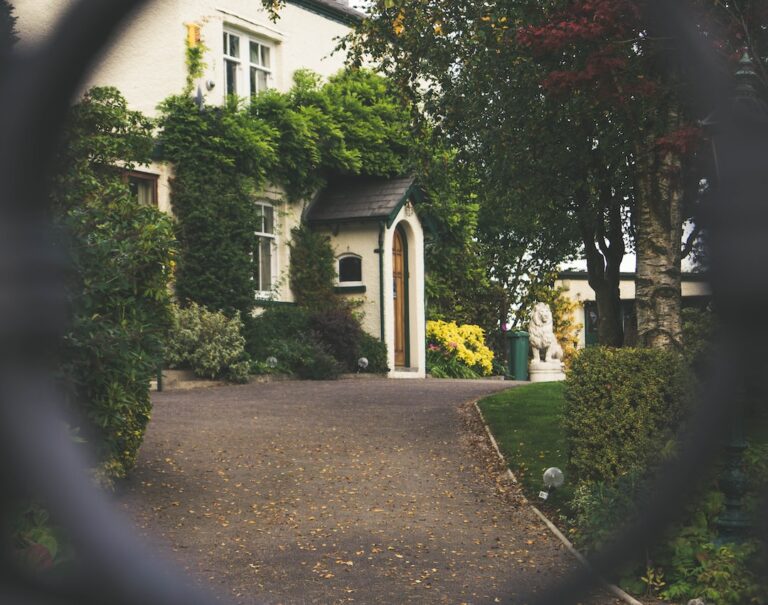
Discover Your Dream Home: Open House Near Me
Introduction
Buying a home is an exciting and challenging process. It’s a major milestone in life and often represents a significant investment. However, with so many options available, it can be overwhelming to navigate the real estate market and find the perfect home. That’s where attending open houses can be incredibly beneficial. Open houses provide an opportunity to explore different properties, get a feel for the market, and meet real estate agents who can help guide you through the home buying process.
The Benefits of Attending Open Houses in Your Area
Attending open houses in your area can offer numerous advantages. Firstly, it allows you to get a feel for the current real estate market. By visiting different properties, you can see what’s available and compare prices, sizes, and features. This will give you a better understanding of what you can afford and what you’re looking for in a home.
Additionally, open houses provide an opportunity to see different types of homes. You may have a specific style or layout in mind, but attending open houses can expose you to new possibilities. You might discover that you actually prefer an open floor plan or that a smaller home with a cozy backyard is more appealing than a larger property.
Lastly, attending open houses allows you to meet real estate agents who can assist you in your home buying journey. These professionals have extensive knowledge of the local market and can provide valuable insights and guidance. They can help you navigate the complexities of the home buying process and ensure that you make informed decisions.
How to Prepare for Your Next Open House Visit
Before attending an open house, it’s important to do some preparation. Start by researching the property and the neighborhood it’s located in. Look up information about the property’s history, any recent renovations or repairs, and any potential issues that may need further investigation.
Next, create a checklist of features and amenities that are important to you in a home. This will help you stay focused during the open house and ensure that you don’t overlook any key aspects. Consider factors such as the number of bedrooms and bathrooms, the size of the kitchen, the presence of a backyard or outdoor space, and any specific requirements you may have.
Lastly, dress appropriately for the open house. While there’s no need to wear formal attire, it’s important to present yourself in a neat and professional manner. This will show the real estate agent that you’re serious about finding a home and will make a positive impression.
The Importance of Location: Finding the Perfect Neighborhood
When buying a home, location is key. The neighborhood you choose will have a significant impact on your daily life, so it’s important to find one that suits your needs and preferences. Consider factors such as proximity to work, schools, amenities, and transportation options.
If you have children or are planning to start a family, it’s important to research the quality of schools in the area. Look into their rankings, extracurricular activities, and any specialized programs they offer. Additionally, consider the safety of the neighborhood and whether it has parks or recreational facilities nearby.
For those who commute to work, consider the distance and transportation options available. Is there easy access to highways or public transportation? How long will your daily commute be? These factors can greatly impact your quality of life and should be taken into consideration when choosing a neighborhood.
Lastly, think about the amenities that are important to you. Do you enjoy dining out at restaurants or shopping at local boutiques? Are you an outdoor enthusiast who enjoys hiking or biking? Consider what activities and amenities are available in the area and whether they align with your interests.
Tips for Identifying Your Must-Haves in a Dream Home
Before attending open houses, it’s important to identify your must-haves in a dream home. This will help you narrow down your options and make the home buying process more efficient. Start by making a list of features and amenities that are non-negotiable for you. This could include things like the number of bedrooms and bathrooms, a specific style of architecture, or a certain size of backyard.
Once you have your list, prioritize the items based on their importance to you. This will help you determine which features are essential and which ones you can be more flexible on. Keep in mind that it’s unlikely you’ll find a home that meets all of your criteria, so it’s important to be open to compromise.
Additionally, consider your future needs when identifying your must-haves. Are you planning to start a family or do you anticipate needing additional space in the future? Thinking ahead will ensure that the home you choose can accommodate your long-term goals.
Navigating the Home Buying Process: What to Expect at an Open House
When attending an open house, there are several things you can expect. Firstly, you’ll have the opportunity to meet real estate agents who are representing the property. They will be available to answer any questions you may have and provide additional information about the home.
You’ll also have the chance to tour the property and get a sense of its layout and condition. Take your time as you walk through each room, paying attention to details such as the quality of finishes, the amount of natural light, and any potential maintenance or repair issues.
During the open house, don’t hesitate to ask questions. Real estate agents are there to assist you and provide information about the property. Ask about any recent renovations or repairs, the age of major systems such as HVAC or plumbing, and any potential issues that may need further investigation.
Lastly, take note of your overall impression of the property. Does it meet your must-haves? Is it in a location that suits your needs? Trust your instincts and take your time to consider whether the home is a good fit for you.
The Advantages of Working with a Real Estate Agent
Working with a real estate agent can offer numerous advantages when buying a home. Firstly, they have extensive knowledge of the local market and can provide valuable insights and guidance. They can help you navigate the complexities of the home buying process and ensure that you make informed decisions.
Real estate agents also have access to listings that may not be available to the general public. They can provide you with information about new properties that match your criteria and arrange private showings for you. This can give you a competitive edge in a competitive market.
Additionally, real estate agents have strong negotiating skills. They can help you make an offer that is fair and reasonable, while also advocating for your best interests. They have experience in negotiating deals and can help you secure the best possible price for your dream home.
Lastly, real estate agents can assist with the paperwork and legal aspects of the home buying process. They can ensure that all necessary documents are completed accurately and submitted on time. This will help streamline the process and minimize any potential delays or issues.
The Top Features to Look for in Your Dream Home
When searching for your dream home, there are several top features to look for. Firstly, consider the layout of the home. Does it flow well and meet your needs? Think about how you will use each space and whether it will accommodate your lifestyle.
Size is another important factor to consider. Determine how many bedrooms and bathrooms you need, as well as the overall square footage of the home. Keep in mind that larger homes may require more maintenance and higher utility costs.
Amenities are also worth considering. Think about what features are important to you, such as a backyard, a pool, or a garage. These amenities can greatly enhance your enjoyment of the home and increase its value.
Lastly, consider the condition of the home. Look for signs of maintenance or repair issues, such as water damage or structural problems. While some issues can be addressed, it’s important to be aware of any potential costs or challenges that may arise.
Budgeting for Your Dream Home: Setting Realistic Expectations
Setting a realistic budget is crucial when buying a home. Before attending open houses, it’s important to determine how much you can afford and what your financial goals are. Start by getting pre-approved for a mortgage. This will give you a clear understanding of how much you can borrow and what your monthly payments will be.
When setting your budget, consider additional costs beyond the purchase price of the home. This can include closing costs, property taxes, homeowners insurance, and maintenance and repair expenses. It’s important to factor in these costs to ensure that you can comfortably afford the home.
Additionally, consider your long-term financial goals. Are you planning to save for retirement or pay for your children’s education? It’s important to strike a balance between your housing expenses and your other financial priorities.
Lastly, be prepared to be flexible with your budget. In a competitive market, you may need to adjust your expectations and make compromises. It’s important to be open to different options and consider the overall value of the home, rather than just the price.
The Role of Home Inspections in the Buying Process
Home inspections play a crucial role in the buying process. They provide an opportunity to assess the condition of the property and identify any potential issues that may need further investigation. It’s important to choose a reputable inspector who has experience in the type of property you’re considering.
During the inspection, the inspector will thoroughly examine the property, including its structure, systems, and components. They will look for any signs of damage or defects and provide a detailed report outlining their findings.
It’s important to review the inspection report carefully and ask any questions you may have. The report will provide valuable information about the condition of the property and any potential repairs or maintenance that may be needed.
Based on the inspection report, you can then make an informed decision about whether to proceed with the purchase, negotiate repairs with the seller, or walk away from the deal. The inspection report can provide valuable leverage in negotiations and ensure that you’re making a sound investment.
Making an Offer: Strategies for Negotiating the Best Deal on Your Dream Home
When it comes time to make an offer on your dream home, there are several strategies you can employ to negotiate the best deal. Firstly, research comparable properties in the area. Look at recent sales and listings to get a sense of what similar homes are selling for. This will give you a benchmark to work from when determining your offer price.
Consider the seller’s motivation. Are they looking to sell quickly or are they willing to wait for the right offer? Understanding the seller’s position can help you tailor your offer and negotiate more effectively.
Be flexible on closing dates. If you’re able to accommodate the seller’s preferred timeline, it can give you an advantage in negotiations. Consider whether you’re able to move quickly or if you need more time to secure financing or sell your current home.
Lastly, don’t be afraid to negotiate. Real estate transactions are inherently negotiable, and it’s important to advocate for your best interests. Work with your real estate agent to determine a negotiation strategy and be prepared to make counteroffers if necessary.
Conclusion
Attending open houses can be an exciting and informative part of the home buying process. It allows you to explore different properties, get a feel for the market, and meet real estate agents who can assist you in finding your dream home. By preparing for open house visits, identifying your must-haves, and working with a real estate agent, you can navigate the home buying process with confidence and find the perfect home for you. So, don’t hesitate to attend open houses and start your journey towards homeownership today.