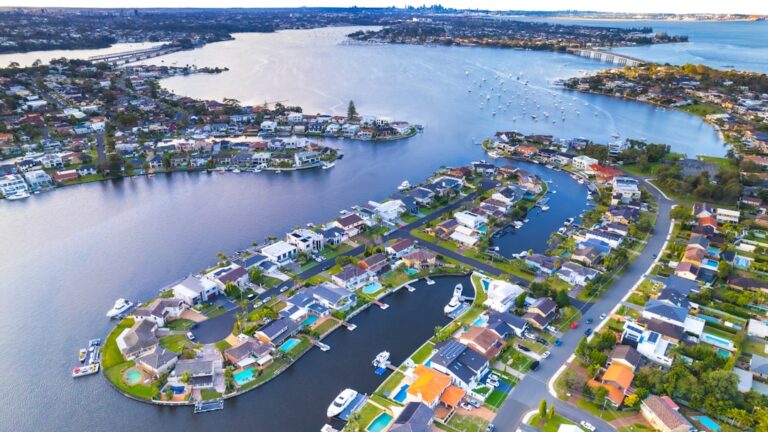
Exploring Australian Property Investment Opportunities
Your journey into Australian property investment requires a considered approach, a discerning eye, and an understanding of the prevailing market currents. This article will provide you with a factual overview of the current landscape, highlighting areas of potential and outlining considerations crucial for informed decision-making. You will find that the Australian property market, while robust, is not a monolithic entity; rather, it presents a diverse tapestry of opportunities that you must navigate with diligence.
For many years, the narrative of Australian property investment was dominated by the behemoths of Sydney and Melbourne. However, a significant recalibration is underway. You will observe that the gravitational pull of these traditional powerhouses is diminishing, with their growth trajectories now projected to be more tempered. Consequently, your focus should pivot towards regions exhibiting stronger fundamentals for capital appreciation, much like a seasoned navigator adjusts their course to catch more favorable winds.
The Ascent of Perth, Adelaide, and Brisbane
You will note that cities such as Perth, Adelaide, and Brisbane are emerging as front-runners for substantial capital growth. Experts from LJ Hooker, Two Birds One Loan, and Propertyology, among others, consistently forecast gains in the range of 6-20% for these markets. This projection is not speculative; it is grounded in tangible factors.
Underlying Drivers: Population Dynamics and Economic Strength
A key catalyst for this anticipated growth is robust population expansion in these cities. Perth, for instance, benefits from a steady influx of residents, creating sustained demand for housing. Similarly, Adelaide and Brisbane are experiencing demographic shifts that amplify their housing needs. Coupled with this demographic momentum are strong local economies. You will observe that Western Australia, South Australia, and Queensland are exhibiting healthy economic indicators, fostering employment opportunities and, consequently, housing demand. This symbiotic relationship between population growth and economic vitality forms a bedrock for property value appreciation.
Supply Constraints: A Common Thread
You will also find a recurring theme across these burgeoning markets: a persistent undersupply of available properties. Like a sealed container with increasing pressure, this low inventory fuels competition among buyers, pushing prices upwards. This supply deficit, compounded by ongoing population growth, creates a favorable environment for property investors seeking capital gains.
Embracing Diversification: The Appeal of Dual-Occupancy and Multi-Generational Living
The conventional wisdom of single-dwelling investments is evolving. You will encounter a growing demand for property configurations that offer increased flexibility and affordability, reflecting Australia’s changing demographic and economic landscape. This shift represents a pragmatic response to rising property prices and evolving lifestyle preferences.
Strategic Advantage: Higher Rental Yields and Adaptability
You will discover that properties enabling dual-occupancy or multi-generational living, such as granny flats, duplexes, and townhouses, are becoming increasingly attractive. These architectural solutions provide you with several compelling advantages.
Optimised Income Streams: The Power of Multiple Dwellings
One of the most significant benefits is the potential for higher rental yields. By offering separate living spaces, you can generate income from multiple tenants within a single property. This strategy can significantly enhance your cash flow, a crucial aspect of any successful investment. The ability to accommodate different tenant profiles – be it a young family in the main dwelling and an individual in the granny flat, or an elderly parent living alongside their adult children – broadens your potential tenant pool.
Addressing Affordability Through Design
In an environment of escalating property costs, these property types act as a pressure release valve for affordability. For tenants, they often represent a more accessible entry point into desirable areas. For investors, they allow for a more efficient use of land, effectively doubling or tripling the potential housing units on a single block. You will find that this adaptability makes them particularly resilient to market fluctuations, as they cater to both the need for independent living and the desire for communal support.
Navigating the Green Revolution: The Rise of Energy-Efficient Properties
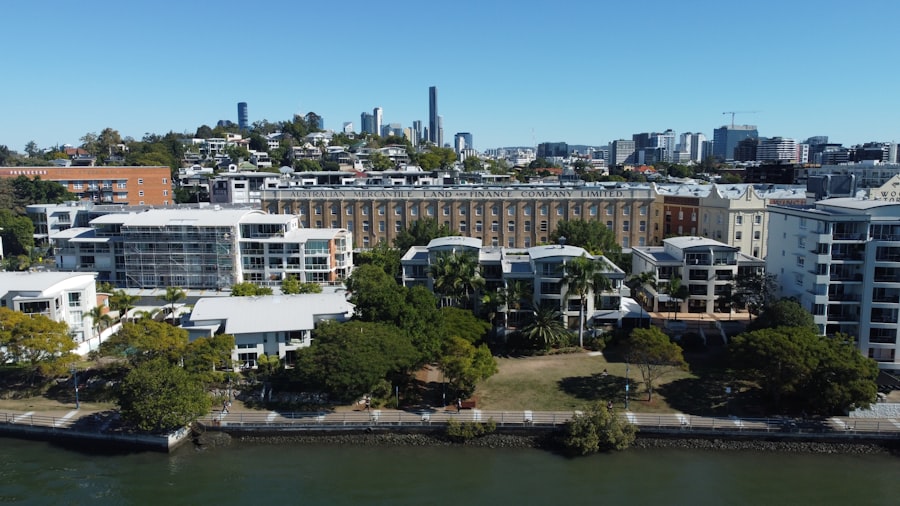
The environmental consciousness of the Australian population is increasingly translating into property preferences. You will observe a discernible shift towards properties that embody energy efficiency, not merely as an ethical choice but as a shrewd investment strategy. This trend is not a fleeting fad; it represents a fundamental reorientation of value in the property market.
Long-Term Value and Tenant Magnetism
When considering your investment, you should prioritize properties equipped with energy-efficient features. These attributes are no longer merely desirable; they are fast becoming indispensable for attracting and retaining quality tenants, and for safeguarding your property’s long-term value.
The Allure of Reduced Running Costs
Think of energy-efficient properties as vessels that are less leaky in terms of operational costs. Tenants are increasingly drawn to homes that promise lower utility bills. Features such as solar panels, battery storage systems, and superior insulation directly translate into tangible savings. For you, this means a wider pool of prospective tenants and potentially higher rental premiums, as the perceived value of reduced ongoing expenses is significant.
Future-Proofing Your Investment: EV Chargers and Sustainability
Beyond immediate cost savings, you will find that incorporating amenities like Electric Vehicle (EV) chargers future-proofs your investment. As EV adoption accelerates, properties with such infrastructure will command a premium. Furthermore, demonstrating a commitment to sustainability through these features aligns your investment with evolving societal values, enhancing your property’s appeal and marketability for decades to come.
Unearthing Opportunities Beyond the Urban Core: The Regional Renaissance
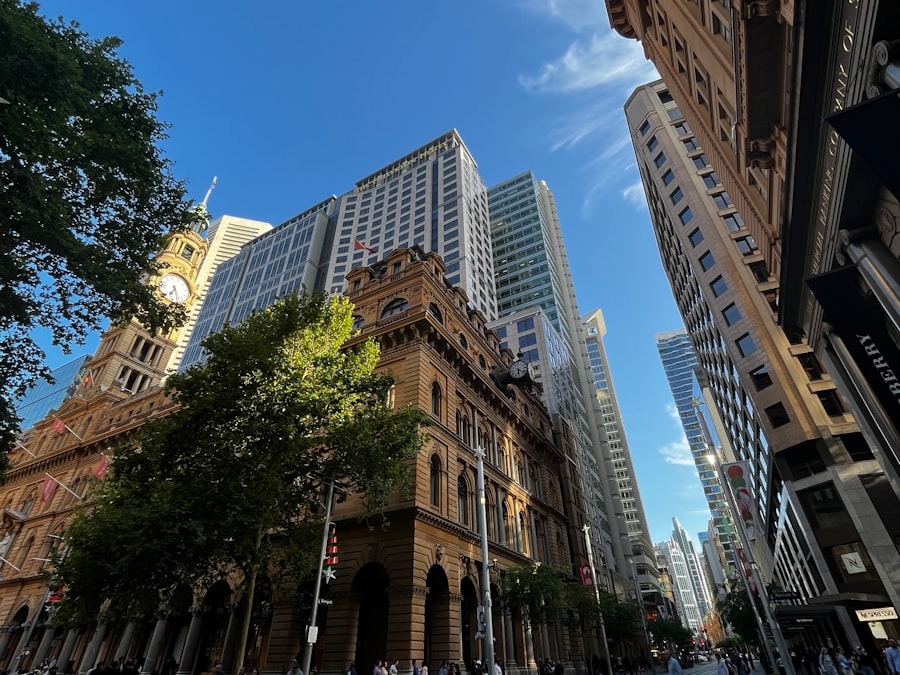
The narrative of Australian property investment has historically been heavily weighted towards capital cities. However, you will now observe a significant rebalancing, with regional areas experiencing a renaissance fueled by shifting work patterns and a desire for lifestyle changes. This presents you with a compelling avenue for investment, often at a lower entry cost.
Lower Entry Costs and Higher Yields: A Compelling Combination
You will find that regional markets often offer a more accessible entry point for investors. The price of land and existing dwellings tends to be lower than in the major capital cities, allowing you to enter the market with a smaller initial outlay. This financial advantage is often coupled with attractive rental yields.
Statistical Evidence of Regional Performance
Consider the projections for 2025, where regional areas are anticipated to achieve an average growth of 9.7%, surpassing the capital cities’ projected 8.2%. This divergence in growth trajectories indicates a robust and maturing regional market. This performance is not accidental; it is driven by measurable factors.
The Impact of Remote Work and Lifestyle Migration
The COVID-19 pandemic served as a catalyst, accelerating the adoption of remote work models. You will observe that this fundamental shift has empowered individuals to relocate away from urban centers, seeking a better quality of life, more affordable housing, and a stronger sense of community. This migration pattern has injected new demand into regional property markets, particularly in states like Western Australia and Queensland, where regional economies are strong and lifestyle offerings are diverse. Consequently, investing in these regional hubs is not merely a bet on affordability; it is an investment in a resilient and growing segment of the Australian economy.
A National Outlook: Optimism Amidst Scarcity
| City | Average Rental Yield (%) | Median House Price (AUD) | Population Growth Rate (%) | Vacancy Rate (%) | Investment Type |
|---|---|---|---|---|---|
| Sydney | 3.1 | 1,200,000 | 1.5 | 1.8 | Residential |
| Melbourne | 3.5 | 950,000 | 1.8 | 2.0 | Residential |
| Brisbane | 4.2 | 650,000 | 2.0 | 2.5 | Residential & Commercial |
| Perth | 4.5 | 550,000 | 1.2 | 3.0 | Residential |
| Adelaide | 4.0 | 520,000 | 1.0 | 2.8 | Residential |
| Canberra | 3.8 | 700,000 | 1.6 | 1.5 | Residential |
When you step back to survey the national property landscape, you will encounter a prevalent sentiment of optimism. Despite challenges such as low listings, the overarching consensus among property professionals and economic forecasters points towards continued growth. This optimism is not a baseless cheerleading; it is underpinned by observable market dynamics and policy developments.
The Persistent Undersupply and Its Ramifications
You will frequently encounter the term “undersupply” in discussions about the Australian property market. This ongoing shortage of available properties is a primary driver of price appreciation, acting as a slingshot mechanism for values.
Competition Heating Up
Consider the current environment of low listings. This scarcity creates a competitive milieu where buyers vie for limited stock, naturally pushing up prices. While a potential transaction surge to 580,000 properties could occur if certain policy hurdles were removed, you should be acutely aware that bottlenecks, such as stamp duty, continue to hinder the introduction of new supply. This impediment ensures that the demand-supply imbalance largely persists, keeping upward pressure on prices.
Stable Rates and Growth Projections
The expectation of stable interest rates provides a crucial ballast for the market. You will find that this stability fosters buyer confidence, encouraging participation and investment.
Expert Consensus on House Price Rises
KPMG, a respected voice in economic forecasting, projects a national average house price rise of 7.7%. This figure is not an outlier; it aligns with broader industry sentiment, with a remarkable 87% of property professionals anticipating continued growth. This widespread expectation of appreciation signals a robust market poised for further gains.
Government Incentives: Expanding Access
Government initiatives, such as the expansion of 5% deposit schemes, also play a role in fuelling demand. By making property ownership more accessible, these policies bring new buyers into the market, contributing to the overall upward trajectory of prices. As an investor, you should view these combined factors – stable rates, supply shortages, and buyer incentives – as strong currents propelling the Australian property market forward.
FAQs
What are the current trends in Australian property investment?
Australian property investment trends often include a focus on metropolitan areas such as Sydney, Melbourne, and Brisbane, where demand for housing remains strong. There is also growing interest in regional locations due to affordability and lifestyle factors. Additionally, investors are increasingly considering sustainable and energy-efficient properties.
Which Australian cities offer the best property investment opportunities?
Sydney and Melbourne traditionally offer strong capital growth and rental demand, making them popular choices for investors. Brisbane and Perth are also gaining attention due to their more affordable prices and potential for growth. Regional centres like Newcastle and Geelong are emerging as attractive options for those seeking lower entry costs.
What types of properties are most popular for investment in Australia?
Residential properties, including houses and apartments, are the most common investment types. Within residential, units and townhouses in urban areas are popular for their rental yield. Commercial properties and industrial real estate are also considered by investors looking for diversification.
Are there any government incentives for property investors in Australia?
Yes, there are several incentives such as negative gearing, which allows investors to deduct losses on rental properties from their taxable income. Additionally, first-home buyer grants and stamp duty concessions may be available in certain states, although these are typically aimed at owner-occupiers rather than investors.
What risks should investors be aware of when investing in Australian property?
Investors should consider market fluctuations, changes in interest rates, and potential oversupply in certain areas. Regulatory changes, such as alterations to tax laws or lending criteria, can also impact returns. It is important to conduct thorough research and seek professional advice before investing.