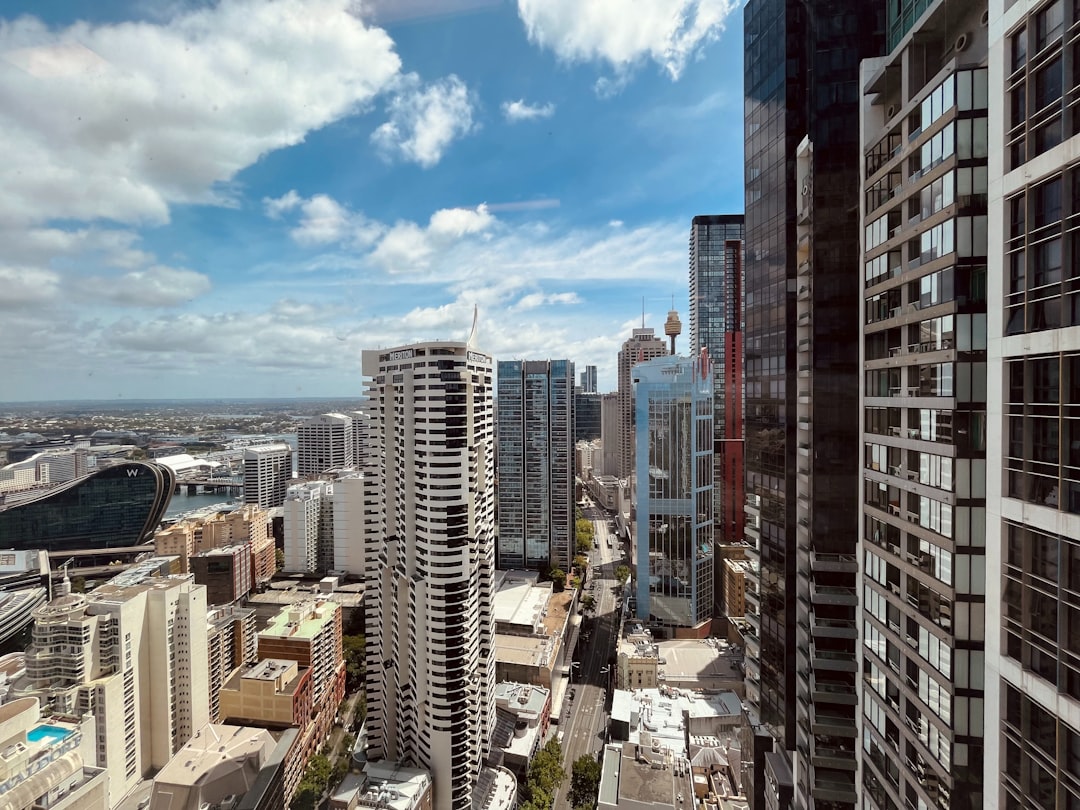
Down Under: Australian Property Market Trends
You’re looking to understand the Australian property market, aren’t you? It’s a landscape that can feel as vast and varied as the continent itself. We’ll peel back the layers, looking at what’s happening now and what the crystal ball, or rather, the economic forecasts, suggest for the near future. So, settle in, and let’s navigate these trends together.
The Australian property market, as you’ve likely observed, is not a monolith. It’s a dynamic organism, influenced by a confluence of economic forces, demographic shifts, and policy interventions. When we speak of national price growth, it’s an average, a summarisation of many individual stories playing out across diverse urban and regional centres.
The Current Snapshot: A Resilient Climb
As of January 2026, the national median house price sits at approximately A$712,550. While this figure reflects a modest monthly dip of 0.2%, it’s crucial to contextualise this as a temporary recalibration. The annual figure, a more telling indicator of sustained momentum, shows a robust increase of 8.4%. This slight recalibration is not an indication of a market about to tumble; rather, it’s the lull after the festive season, a natural pause before the engines fire up again. Crucially, this dip follows an unbroken eleven-month upward trend, signalling an underlying strength that persists. You might see this as a momentary exhalation before the next push forward.
Looking Ahead: Projections for 2026
Forecasting is an inexact science, a tightrope walk between economic modelling and the unpredictable nature of human behaviour. However, the consensus amongst analysts points towards continued, albeit varied, growth through 2026. National house prices are projected to rise by a substantial 7.7%, with units not far behind at 7.1%. These aren’t just abstract numbers; they represent millions of dollars changing hands, plans being made, and dreams being realised or deferred.
The Regional Champions: Where the Growth Is Fired Up
Not all markets are created equal, and this is nowhere more apparent than in Australian property. Certain cities are acting as the engines of this growth, pulling the national average along with them.
Perth: The Unopposed Leader
Perth is, by all accounts, the current star of the show. You’ll find forecasts placing its house price growth at a remarkable circa 13% for 2026. This isn’t a gentle rise; it’s a significant upward surge. What’s fuelling this? A potent cocktail of factors, which we will delve into later, but for now, recognise Perth as the frontrunner, setting a blistering pace.
Brisbane and Darwin: Close Behind
Hot on Perth’s heels are Brisbane and, somewhat surprisingly to some, Darwin. Both are tipped for growth exceeding 10%. Brisbane’s trajectory has been on an upward curve for some time, driven by its relative affordability and growing appeal as a lifestyle and economic hub. Darwin, while smaller in scale, is experiencing its own unique set of dynamics, with some projections even suggesting growth beyond 20% – a truly exceptional performance.
Adelaide: A Steady Ascent
Adelaide continues its consistent performance, with projections for house price growth at 8.2%. It’s a market that offers a more balanced approach, attracting buyers who may have been priced out of the larger eastern seaboard capitals.
Melbourne and Sydney: Warming Up
The two largest markets, Melbourne and Sydney, are forecast to experience more moderate growth, clocking in around 6.8% for Melbourne and a more conservative rise for Sydney. While “moderate” in these markets can still represent significant dollar values, it signifies a different stage in their property cycles compared to the burgeoning capitals. However, the phrase “slower but improving” is key here. These markets are showing signs of renewed vigour, suggesting they might not always be playing catch-up.
Hobart: Moderate Gains
Hobart, like Sydney, is also predicted to see moderate gains, reflecting its own distinct economic and demographic drivers. It remains an attractive market, though perhaps not at the same rapid pace as some of its Western and Northern counterparts.
The Supply Squeeze: A Chokehold on New Homes
The adage “location, location, location” is timeless, but in today’s Australian property market, it needs an amendment: “location, location, location, and crucially, availability.” You’re witnessing a market where the supply of new homes is struggling to keep pace with demand, creating a palpable tension.
The Building Approval Drought
One of the most significant indicators of future supply is new building approvals. Currently, the numbers are concerning. Approvals are hovering around 12,000 each month, a figure considerably below the targeted 20,000. This shortfall isn’t a minor hiccup; it’s a structural impediment to alleviating price pressures. Imagine trying to fill a bathtub with a dribble from the tap when the demand is for a steady stream.
The Disappearing Affordable Bracket
The impact of this supply crunch is most acutely felt in the entry-level price points. Homes priced below A$750,000 are becoming vanishingly rare. For first-home buyers and those looking for more affordable options, this segment of the market is becoming akin to a mythical creature, spoken of but rarely seen. This forces many to stretch their budgets, pushing them into higher-value properties or forcing them to reconsider their purchasing aspirations altogether.
Listings at an All-Time Low
Compounding the issue of new supply is the scarcity of existing homes coming onto the market. Listings are at near-record lows. This means fewer choices for buyers and, consequently, intensified competition for the properties that are available. When supply dwindles, even a moderate increase in demand can send prices spiralling higher.
The Stamp Duty Barrier
The high cost of stamp duty, a government tax levied on property transactions, acts as another significant brake on supply. In many major cities, stamp duty can amount to tens of thousands of dollars – A$40,000 to A$90,000 is not uncommon. This substantial upfront cost can deter homeowners from selling and moving, as they will incur significant tax not only on their purchase but also on their sale. It creates a “golden handcuff” effect, locking people into their existing properties and further constricting the market.
Demand Drivers: Why Buyers Are Still Lining Up
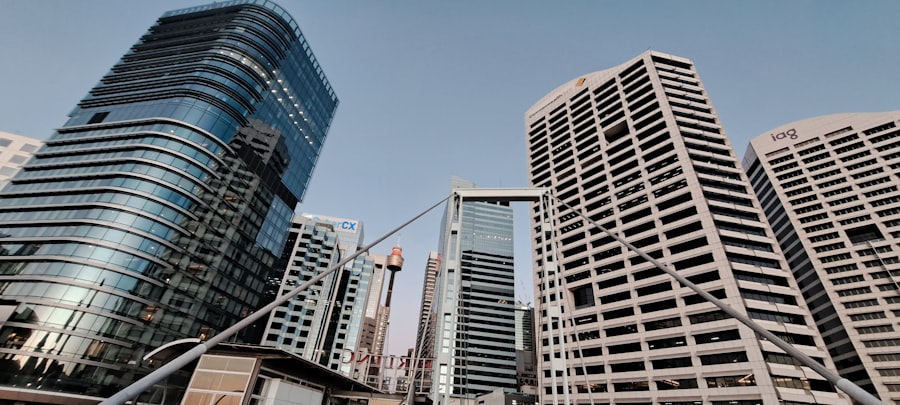
Despite the supply constraints, demand for Australian property remains robust, driven by a confluence of factors that are encouraging buyers to enter the market.
The Stability of Interest Rates
The current environment of stable official interest rates, coupled with the expectation that they will remain relatively steady for some time, provides a degree of certainty for prospective borrowers. This predictability allows more people to confidently assess their borrowing capacity and make purchasing decisions. It’s like knowing the temperature of the water before you step in; it reduces the apprehension.
Population Growth: The Ever-Present Force
Australia continues to experience significant population growth, both through natural increase and, importantly, international migration. A growing population inherently translates to increased demand for housing. More people mean more families needing homes, more individuals seeking rental accommodation, and a larger pool of potential buyers and investors.
Rising Confidence and Investor Appetites
An uplift in consumer confidence, combined with a perception of a market on the move, is rekindling the appetite for property investment. When people feel optimistic about the economy and see prices trending upwards, they are more inclined to see property as a secure and profitable asset. This sentiment, often referred to as FOMO (fear of missing out), can become a powerful motivator.
Government Schemes: A Gentle Nudge
In an effort to address affordability challenges, various government initiatives are in play. The “5% deposit” scheme and the “Help to Buy” programs are designed to assist first-home buyers in overcoming the initial hurdle of saving a substantial deposit. These policies are estimated to bring approximately 40,000 additional buyers into the market, injecting further momentum into transactions.
Transaction Volumes: A Busy Marketplace
The culmination of these demand drivers is a projected increase in property transactions. The market is anticipated to see close to 580,000 transactions in the near future. This indicates a busy and active marketplace, even with the supply limitations.
Affordability and Rentals: A Widening Chasm
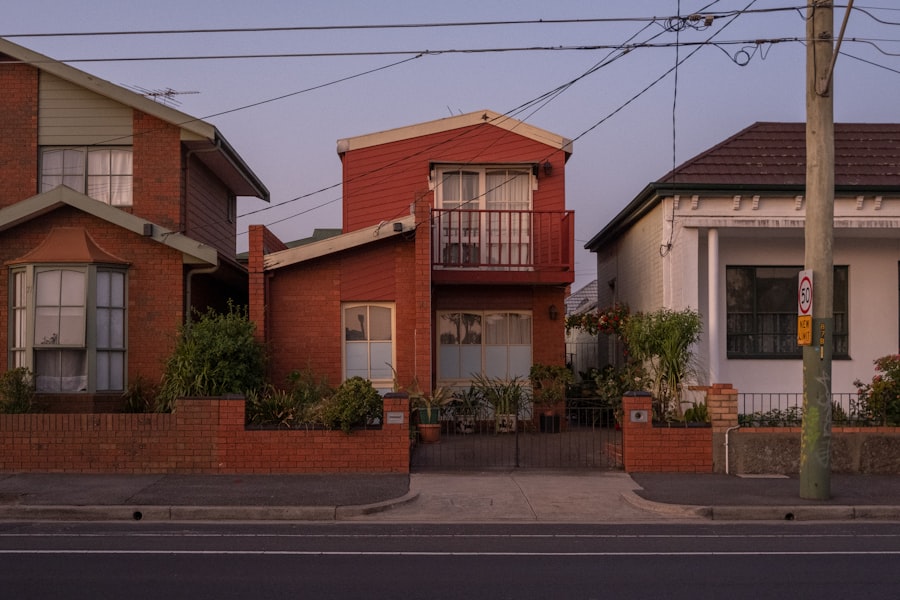
The interplay between affordability and the rental market is a perpetual balancing act, and in Australia, this act is becoming increasingly precarious.
Bigger Mortgages, Wider Gaps
The primary driver of affordability challenges is the sheer scale of the debt required to enter the market. As property prices climb, so too do the average mortgage sizes. This, coupled with inflated land prices which form a significant portion of a home’s cost, creates a widening gap between what many aspiring homeowners can realistically borrow and the price of the properties they desire.
Rental Market Tightness Re-emerging
The rental market, which had seen some easing, is showing signs of tightening once again. Vacancy rates are falling in many areas, leading to renewed pressure on rental prices. This situation is particularly acute in areas experiencing strong population growth and limited housing supply.
Incentives for Investors and First-Home Buyers
The tight rental market, while challenging for tenants, can serve as a double-edged sword. It incentivises investors to enter the market, seeking rental yields and capital growth. Simultaneously, it can push some first-home buyers towards purchasing rather than renting, as the cost of ongoing rent becomes less attractive compared to a mortgage, especially with the aid of government schemes. This creates a feedback loop, further fuelling demand for purchasing.
Evolving Housing Preferences
Beyond the immediate financial considerations, you’re witnessing shifts in what people are looking for in a home. There’s a growing interest in energy-efficient properties, driven by both environmental concerns and the desire to reduce utility costs. Furthermore, there’s a noticeable trend towards multigenerational housing, or homes that can easily accommodate extended family, reflecting changing social dynamics and a desire for shared living arrangements, perhaps as a response to affordability pressures.
Regional Variations: A Patchwork of Performance
| Metric | Q1 2024 | Q4 2023 | Year-on-Year Change | Notes |
|---|---|---|---|---|
| Median House Price (Sydney) | 1,250,000 | 1,230,000 | +1.6% | Modest growth after recent plateau |
| Median House Price (Melbourne) | 950,000 | 940,000 | +1.1% | Steady demand in suburban areas |
| Median Unit Price (Brisbane) | 580,000 | 570,000 | +1.8% | Increased interest from first-home buyers |
| Dwelling Approvals (National) | 18,500 | 19,200 | -3.6% | Slower construction activity |
| Rental Vacancy Rate (Sydney) | 1.8% | 2.1% | -0.3% | Tightening rental market |
| Rental Yield (Melbourne) | 3.7% | 3.6% | +0.1% | Stable rental returns |
| Home Loan Interest Rate | 6.25% | 6.00% | +0.25% | RBA rate hikes impacting borrowing costs |
As we’ve touched upon, the Australian property market is far from uniform. The performance across different regions is a critical aspect for any astute observer to understand.
The Uneven Gains: A LJ Hooker Perspective
Reports from firms like LJ Hooker highlight the uneven nature of property market gains. Their predictions, mirroring broader analyses, anticipate stronger performance in Western Australia and Queensland, with Perth and Brisbane leading the charge. Adelaide is also set to see significant gains. In contrast, while Sydney and Melbourne are improving, their growth is expected to be more measured, reflecting their larger size and higher price points.
Investor FOMO in the Sub-$1 Million Segment
The investor fear of missing out (FOMO) is particularly pronounced in the sub-A$1 million price bracket across many of the more desirable areas. As prices in the lower end of prime markets continue to rise, investors who can secure properties in this range are doing so with conviction, knowing that even modest appreciation can translate into substantial dollar gains on these relatively lower-value assets.
Sydney’s Affordability Wall
Sydney, as the nation’s most expensive property market, has effectively hit an “affordability wall” for many. While pockets within the city can still see strong growth, the overall barrier to entry is significantly higher. This forces many prospective buyers to look further afield, to regional centres or to other capital cities, contributing to the growth seen in those areas. It’s like a traffic jam at the city gates; people will inevitably seek alternative routes. The demand that can’t be absorbed by Sydney’s existing supply is being rerouted to markets with more accessible entry points.
In conclusion, the Australian property market presents a complex picture. You have areas of strong, almost explosive growth, driven by a genuine demand that outstrips supply. You also have markets facing headwinds, grappling with affordability and the lingering effects of economic shifts. Understanding these nuances, the interplay of national trends and regional specificities, is key to navigating what remains one of Australia’s most vital economic sectors.
FAQs
What are the current trends in the Australian property market?
The Australian property market is experiencing varied trends across different regions, with some areas seeing price growth due to high demand and limited supply, while others face price stabilisation or slight declines. Factors such as interest rates, government policies, and economic conditions heavily influence these trends.
How have interest rates affected the Australian property market recently?
Recent changes in interest rates have impacted borrowing costs, influencing buyer demand and property prices. Lower interest rates generally encourage more buyers to enter the market, driving up prices, whereas rising rates can reduce affordability and slow market activity.
Which cities in Australia are currently leading in property price growth?
Cities like Sydney and Melbourne have traditionally led in property price growth due to strong demand and economic activity. However, regional centres and other capital cities such as Brisbane and Adelaide have also seen significant growth recently, driven by lifestyle changes and increased remote working.
What role do government policies play in shaping the Australian property market?
Government policies, including first-home buyer grants, stamp duty concessions, and zoning regulations, play a crucial role in influencing market dynamics. These policies can stimulate demand, affect supply, and impact overall affordability in the property market.
How is the rental market performing in Australia alongside property sales?
The rental market in Australia has experienced increased demand, particularly in major cities, leading to rising rental prices. Factors such as population growth, housing supply constraints, and changes in migration patterns contribute to rental market conditions, which often correlate with trends in property sales.